
Bleach does not clear most clogs. It is a disinfectant and stain remover, and a clog is a plug of hair, grease, soap scum, paper or roots that bleach cannot dissolve. Pouring it down a slow drain often leaves the plug in place and leaves a harsh liquid sitting on top of it.
The bigger concern is safety. Bleach mixed with ammonia products, acids or other drain cleaners can release toxic gas. If you have already poured something in, read the next section before you pour anything else.
If you mixed bleach with another product
Mixing bleach with ammonia cleaners, acid-based bowl or drain products, or another drain cleaner can make fumes that burn the eyes, nose and lungs. Act on the exposure first and the clog second.
- Leave the room and get to fresh air right away, and take children and pets with you.
- Do not add water, more cleaner, or anything else to the drain.
- Open windows from the doorway only if you can do it without breathing the fumes.
- Call Poison Control at 1-800-222-1222 if anyone coughed, felt burning, or got dizzy.
- Call 911 for trouble breathing, chest pain, fainting, or severe symptoms.
- Tell any plumber what was poured down the drain and when, before they open the trap.
Why bleach is the wrong tool for a plug
Bleach works by oxidizing stains and killing germs on contact. Hair is mostly keratin, grease turns into a waxy solid in cold pipe, and soap scum clings to the pipe wall. None of those break down quickly in household bleach.
A few things bleach can do are real. It can reduce odor from bacteria on a surface and brighten a stained sink. That is cleaning, not unclogging. Following the manufacturer's label is the standard safety guideline for any drain product.
What clears which clog
| Clog type | Does bleach help? | What works instead |
|---|---|---|
| Hair in a shower or tub | No | A plastic drain strip or a hand snake |
| Grease in a kitchen line | No | Hot soapy water for light films, then a snake or jetting |
| Toilet paper or wipes | No | A toilet plunger, then a closet auger |
| Soap scum and mineral film | Not really | Scrubbing, then flushing with hot tap water |
| Tree roots in the sewer | No | Cutting or jetting, then a camera check |
| Odor only | Sometimes, on the surface | Clean the overflow and the stopper first |
A clog that returns within days needs a look inside the pipe, not another bottle.
What to do for a slow or blocked drain today
Check how many fixtures are slow
One slow sink points to a local plug. Several slow fixtures point to the main line.Remove the visible debris
Lift the stopper and pull out hair with a gloved hand or a plastic strip.Plunge correctly
Cover the overflow hole with a wet rag, seat the plunger, and push and pull steadily for about twenty seconds.Clean the trap
Put a bucket under the U-shaped trap, unscrew the slip nuts by hand, and rinse out the sludge.Use a hand snake
Feed a small drain snake in, turn the handle, and pull back what it hooks.Stop and call
If water backs up from a floor drain or several fixtures at once, stop using water and call.
How chemicals can damage pipes and plumbers' work
A cleaner that fails to clear a clog does not disappear. It sits in the trap or the pipe and waits. When a plumber opens the trap or runs a cable, that liquid can splash skin and eyes.
Strong chemicals can also soften plastic fittings, pit older metal, and eat at rubber seals over repeated use. A pipe that has been weakened is more likely to crack when a snake or jet passes through.
Tell the plumber exactly what you poured. That lets them wear the right gear and pick a gentler method if needed.
When the clog needs more than a snake
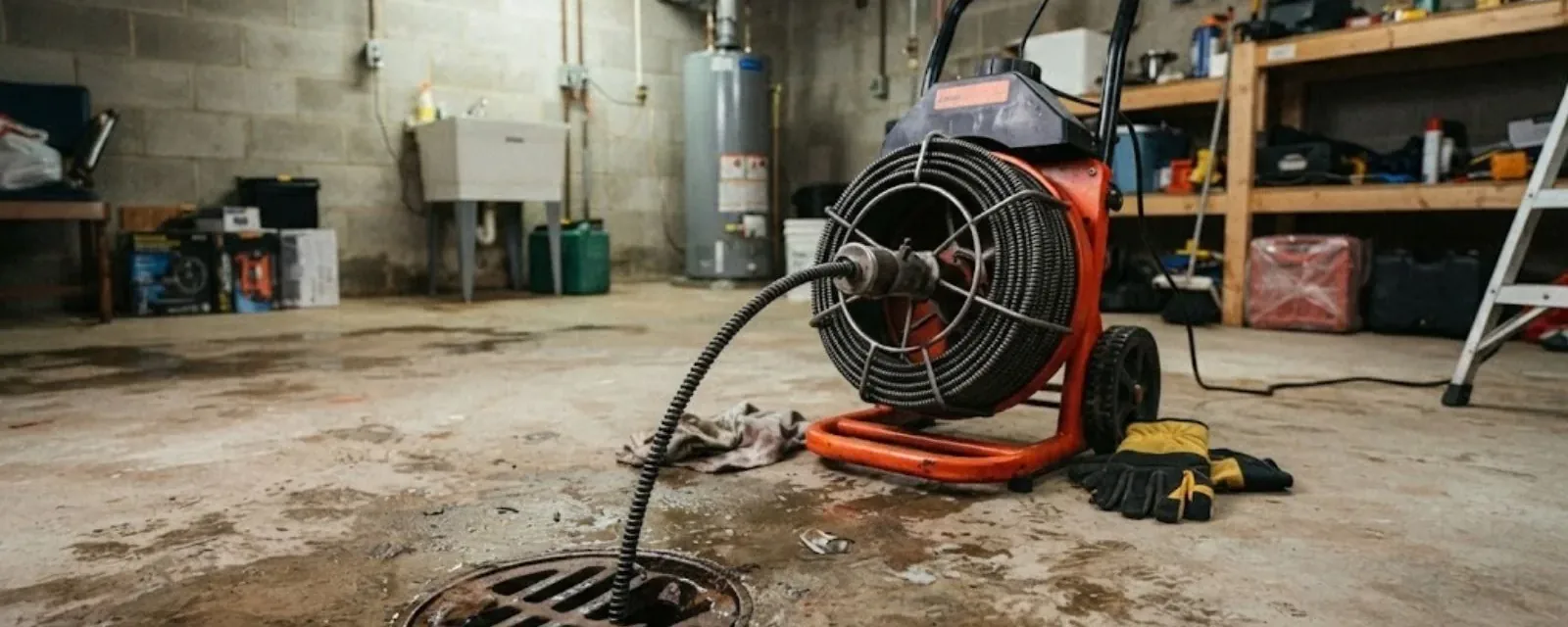
Repeat clogs, gurgling in other drains, and sewage smell point past the fixture. A drain cleaning visit uses a cable machine to cut through the plug and usually checks that the line flows afterward.
For grease build-up, scale on pipe walls or roots, hydro jetting pushes high-pressure water through the line and scours the pipe wall. A camera shows whether the line is cracked, bellied or crushed. Ask the plumber what they plan to run and why.
How common pipe materials react to harsh cleaners
Pipe type matters because one house can mix several materials, whether it stands in Milton, Quincy or Canton.
| Pipe material | Typical weak point | Risk from strong chemicals |
|---|---|---|
| Cast iron | Rough, scaled interior | Residue collects in pits and can sit for days |
| Galvanized steel | Rust and narrowing with age | Thin spots can open when a snake or jet passes |
| PVC and ABS plastic | Glued joints and fittings | Heat and strong chemicals can soften or stress joints |
| Copper drain | Thin walls at older joints | Acid cleaners can pit the metal |
| Rubber and wax seals | Toilet flange and trap seals | Repeated exposure can harden or swell them |
If you do not know your pipe material, a plumber can tell from the basement and a camera run.
Habits that keep drains open without chemicals
Prevention is cheaper than any bottle on the shelf. A few small changes stop most clogs before they form:
- Put a mesh strainer in every shower, tub and kitchen drain and empty it into the trash.
- Wipe greasy pans with a paper towel before washing, and pour cooled fat into a can.
- Send only toilet paper down the toilet, because wipes sold as flushable still snag in the line.
- Run hot tap water for a minute after washing dishes to move soap and fat along.
- Clean the stopper and overflow every month, since hair and film build up there first.
Milton, MA specifics: old pipes and storm surge
Source type: Milton housing plan and flood workshop notes
Per the town's Housing Production Plan, 46.8% of local homes went up before 1940. Pipes from that era can have rough, scaled walls, so chemical cleaner tends to pool in low spots. For an older house, a mechanical clean is usually safer than repeated chemical doses.
The town's 2020 flood workshop heard that East Milton storm surge backs sewers up into homes. If water rises in a floor drain or tub during a storm, pouring bleach in does nothing for the cause. Keep chemicals out of the line and have a plumber check the backflow path.
Questions readers ask about this topic
A small amount of diluted bleach on a clean sink surface can cut odor from bacteria. Do not pour it into a drain that holds another cleaner, and never into a drain you plan to snake. Flush with plenty of water afterward and ventilate the room.
Occasional small amounts used for cleaning are not the issue. Repeated heavy doses can irritate pipes and stress seals. Bleach also will not fix a clog, so a stubborn blockage needs a mechanical method.
Do not add a second product. Stop, ventilate, and tell the plumber what was used. Then plunge, clear the trap or snake the line, or call for a cable machine.
No. Hot water can cause splashing and may react with chemicals still in the pipe. Let the line sit, then use a plunger or call a plumber.
Avoid it until a plumber looks. Running water can push the cleaner into other fixtures or splash it back at you. If you must rinse, use the cold tap lightly and keep your face away from the drain.
Wait for a professional. Surge water can carry sewage, and floodwater mixed with bleach and other residues is unpredictable. Keep people away, ventilate, and have the line cleaned and inspected.
Rather talk it through? Call and ask a plumber.
(617) 752-0573