
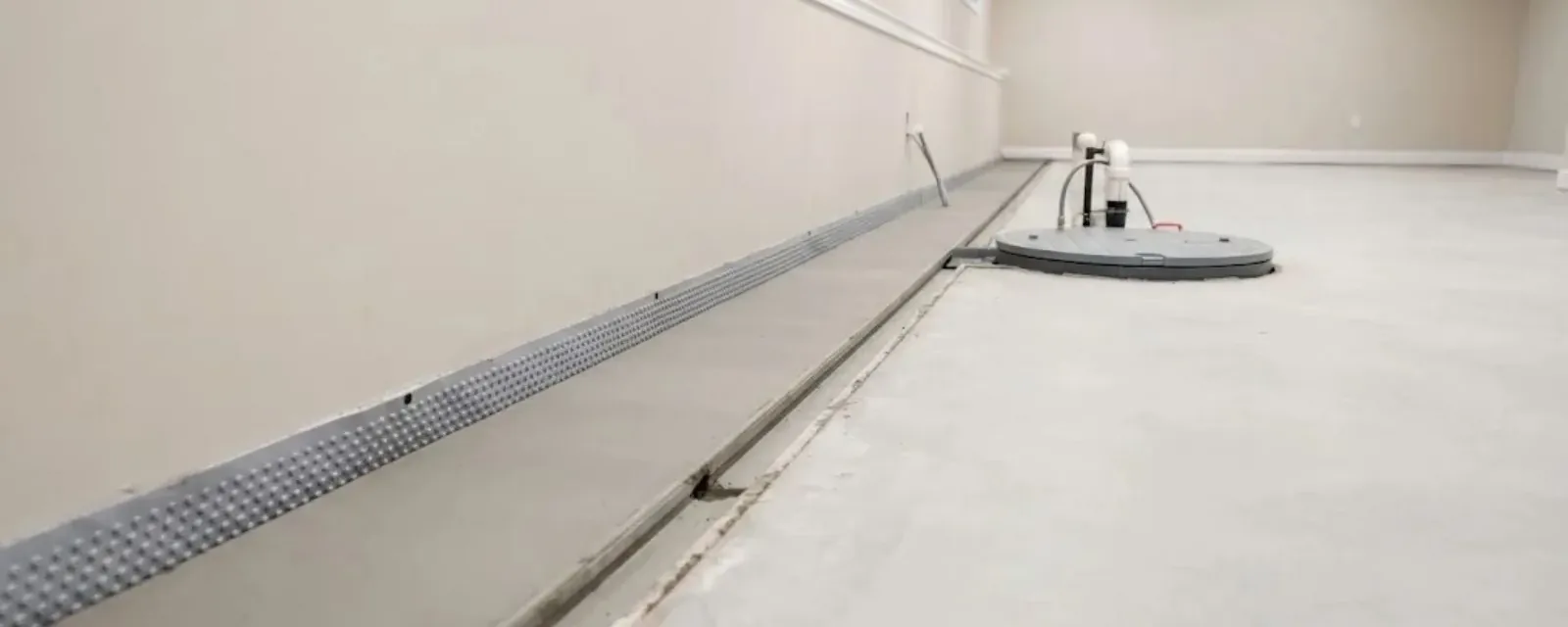
Basement waterproofing is the set of drainage fixes that keep groundwater and rain out of a basement, from gutters and grading outside to drain tile and a sump pump inside. Milton Pro Plumbing covers the plumbing side: interior drain tile, sump basins, discharge piping and moisture that comes from the house's own pipes. We tell you plainly when the problem needs a mason or a structural contractor instead.
The first job is always diagnosis, because a damp wall can come from a leaking pipe, a clogged gutter or rising groundwater, and each one has a different cure.
Questions people ask before calling about a wet basement
Structural crack repair, underpinning and wall reinforcement belong to a foundation or masonry contractor, not a plumber. A plumber can tell you whether a crack is wet because of drainage, remove the water with drain tile and a pump, and refer the structural question. If a crack is widening or a wall bows, have a structural contractor look first.
No. Mold remediation is a separate trade. We fix the water source feeding it, whether that is a pipe, a sump pit or poor drainage. Once the basement stays dry, a remediation company can clean the affected surfaces, and cleaning before the water is solved usually wastes the effort.
Check the timing. Water that appears after rain or snowmelt and enters at the wall base points to groundwater. Water that appears regardless of weather, or near a toilet, tub or water heater, points to plumbing. The meter test on our leak detection page helps rule a pipe leak in or out.
They solve different problems. Exterior work keeps water from touching the wall but requires excavation along the foundation. Interior drain tile collects water that gets in and sends it to a sump pit. Interior work is less disruptive and fits the plumber's role, while the exterior membrane is excavation and masonry work.
New or relocated plumbing piping needs a permit through the local plumbing inspector, issued to a licensed plumber. The Milton plumbing inspector can explain the local steps for your job, and you can ask the plumber to show you the permit.
Report the moisture to your landlord or property manager in writing with photos and dates. Waterproofing changes the building, so the owner decides. A property manager can call us to inspect and explain the cause, which helps them decide between a pump, a drain or an outside fix.
Rather talk it through? Call and ask a plumber.
(617) 752-0573Damp walls, white powder and puddles at the wall base after rain. What is going on?
Those are signs that water is moving through or around the foundation, usually pushed by wet soil. White crusty powder on masonry (efflorescence) shows water has been seeping and drying for a long time. Puddles at the wall base after a storm are fresh entry.
Waterproofing is the fix that sends that water to a pump and out of the house. A plumber starts by confirming where the moisture originates, and we say plainly when the answer sits outside our trade.
What a plumber handles and what needs another trade
Plumbers install interior drain tile, sump basins and pumps, discharge piping, floor drains and fixes for leaking supply and drain lines. We do not repair foundation structure, apply exterior membranes, pour concrete or clean up mold. When one of those is the real need, we say so and you are better served by the right contractor.
Honest scoping saves money. Many wet basements improve a great deal after gutters and grading are corrected, with no interior work at all.
Waterproofing options and who does the work
| Fix | What it does | Who does the work | Disruption |
|---|---|---|---|
| Gutters, downspouts and grading | Moves roof and surface water away from the foundation | Homeowner, grounds crew or gutter contractor | Low, outdoors only |
| Interior drain tile | Collects water at the footing and routes it to a sump pit | Licensed plumber, with a mason for concrete repair | Moderate, floor edge opened |
| Sump pit and pump | Lifts collected water out of the house | Licensed plumber | Low to moderate, one pit |
| Exterior membrane and excavation | Coats the outside of the wall and adds outside drainage | Waterproofing or excavation contractor | High, digging beside the house |
| Crack and wall repair | Restores structure and seals cracks | Foundation or masonry contractor | Varies |
Start with the cheapest fix that matches the cause, which is usually the one outside the house.
Questions about basement waterproofing? Call a plumber
Licensed plumbers are dispatched day and night, and you hear the price before work starts.
Why age matters in Milton basements
The Town's Housing Production Plan puts 46.8% of homes in the 1939-or-earlier group and 28.5% in 1940 to 1959, so about three quarters predate 1960. Foundations that old often have weathered mortar, and few were built with interior drain tile at all.
That age means the first step is a careful look, not a standard package. An older basement may need only a sump pit where one corner collects water, or a short run of drain tile at the worst wall.
Milton's flooding history and your basement
The 2020 Community Resilience Building Workshop heard about flooding on the Neponset's banks and around Turner's Pond, Pine Tree Brook and Unquity Brook, plus storm surge pushing East Milton sewers back into homes. For homeowners near those waters, groundwater pressure is a real design factor, and an interior system should include a sump and battery backup.
The same findings named culvert upgrades as a top priority, which tells you heavy storms can overwhelm local drainage. A neighbor's dry basement proves little about yours. Sewer backup at a floor drain is a different problem that no waterproofing fixes, and it needs a camera and a plumber.
What to do first: is it groundwater or a plumbing leak?
Work through these questions before spending on any system.
- Does water appear only after rain or snowmelt? That points to groundwater.
- Is the dampness near a toilet, tub, washing machine or water heater? That points to plumbing.
- Does the water meter move when every fixture is off? A pipe is leaking.
- Is there a sewer smell or water from a floor drain? Think sewer backup, not groundwater.
- Are gutters overflowing or downspouts ending near the foundation? Fix those first.
- Is condensation forming on cold pipes in summer? That is humidity, not a leak.
How an interior drain and sump installation goes
Interior drainage is a few days of work in most basements, though a plumber confirms the schedule on site.
Diagnose
The plumber checks gutters, pipes, floor drains and the wall base to confirm where the water comes from.Plan the route
The drain tile follows the wet walls and slopes toward a sump pit placed at the low point.Open the floor edge
A strip of slab beside the wall is cut and removed, then trenched down to the footing.Lay tile and stone
Perforated pipe is bedded in gravel and connected to the pit.Set the pump and discharge
The pump goes in the pit, with a check valve and a discharge line that ends away from the sewer and the foundation.Patch and test
Concrete patches the trench and water is poured in to test the full run.
Digging outside: call Dig Safe first
If any exterior excavation is planned, whether for a footing drain, a new discharge line or a membrane, call 811 or 888-344-7233 at least 72 business hours beforehand. Weekends and holidays do not count. The rule covers homeowners as well as contractors, and a ticket lasts 30 days.
A buried gas, electric or water line is easy to strike in soft soil, so the wait is not optional.
What drives the price of basement waterproofing
You get a clear price before work starts, and these items shape it.
Length of wall treated
Drain tile along one wall costs far less than a loop around the whole basement.
Floor and foundation condition
Thick or cracked concrete and uneven footings add cutting and patching.
Pump setup
A single pump is simpler than a primary pump with a battery backup and alarm.
Discharge path
A short exit through the wall is straightforward, while a long buried line needs trenching and a Dig Safe ticket.
Related repairs
Leaking pipes, old drains and mold cleanup are separate items, often handled by different trades.
Insurance note: groundwater seepage and flooding are often excluded from standard homeowners policies, while sudden pipe bursts may be covered. Read your policy or ask your insurer.
Related plumbing work
Pit and pump specifics are covered on the sump pump page. If drains in the basement back up, a sewer inspection shows what is happening in the line. Neighbors in Quincy and beyond can reach the same dispatch line.